Umrah is, first and foremost, an act of worship. While logistics such as documents, packages and packing matter, the spiritual readiness a pilgrim brings to the journey often shapes how meaningful the experience feels once they are actually standing before the Kaaba. This guide focuses on the inward preparation that complements the outward planning, so that the correct outward steps are matched by an equally correct inward state.
Sincere Intention (Niyyah)
Every act of worship in Islam begins with intention, and Umrah is no exception. Before you even book your ticket, take time to reflect on why you are undertaking this journey — seeking Allah's pleasure, forgiveness, and closeness, rather than status or comparison with others. A sincere intention, renewed regularly in the days leading up to travel, sets the tone for the entire journey.
Repentance and Seeking Forgiveness (Tawbah)
Many scholars encourage pilgrims to make sincere tawbah before departing — reflecting on past shortcomings and turning back to Allah with a genuine resolve to improve. This is a private, personal act between the pilgrim and Allah, and does not require any particular ritual beyond honest self-reflection and dua.
Settling Debts and Disputes
It is considered good practice to settle financial debts, resolve disagreements with family or friends, and seek forgiveness from anyone you may have wronged before travelling. Many pilgrims also make a habit of informing close family of their whereabouts and intentions, and asking them for forgiveness and their prayers before departure — a practice with deep roots in Islamic tradition.
Preparing Your Family Before You Leave
Beyond your own spiritual readiness, it helps to prepare the family you are leaving behind, especially if you are the primary earner or caregiver. Settle any pending household matters, leave clear instructions and contact numbers with those staying home, and consider asking a trusted family member or friend to check in on elderly parents or young children during your absence. This reduces the mental burden of worrying about home while you are trying to focus on worship.
Learning the Rituals in Advance
Arriving at the Haramain without understanding what you are about to do can turn a spiritually significant moment into a confusing, rushed one. Before travelling:
- Read through the correct step-by-step rituals covered in our Complete Umrah Guide
- Learn the Talbiyah and the basic duas recited during Tawaf and Sa'i, even if only in transliteration
- Understand what is and isn't permitted while in the state of Ihram, so you don't unintentionally violate a restriction out of unfamiliarity
Building a Habit of Dhikr and Quran Recitation
In the weeks before travel, many pilgrims find it helpful to increase their daily recitation of the Quran and engage in regular dhikr (remembrance of Allah). This isn't a strict requirement, but it helps shift the mind into a more reflective, worship-oriented state well before you arrive in Saudi Arabia, rather than trying to adjust suddenly upon arrival.
Preparing for Patience
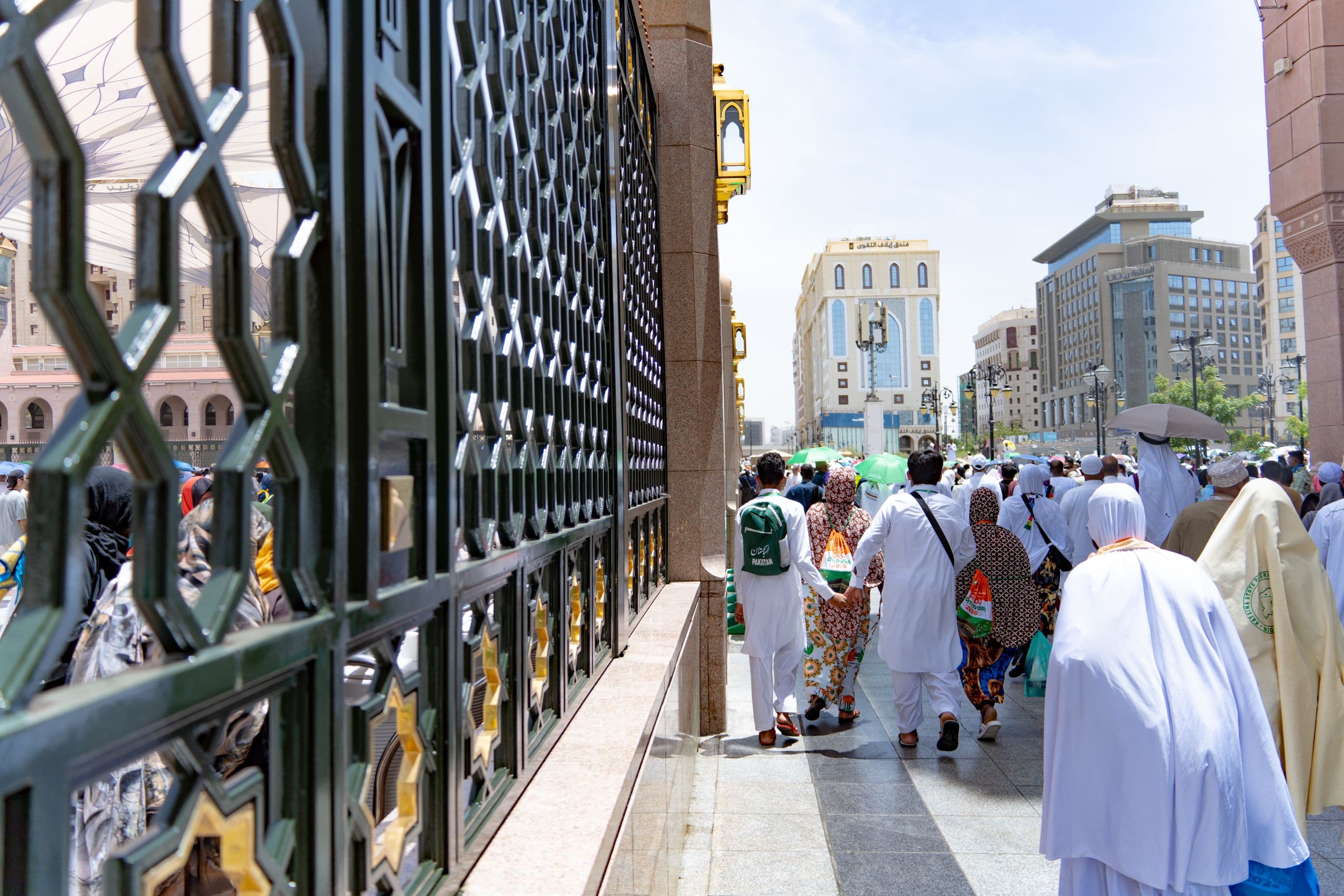
Umrah, particularly during busy periods, involves crowds, queues, heat, and physical tiredness. Mentally preparing for these realities in advance — rather than expecting a purely serene, uninterrupted experience — helps pilgrims respond to difficulties with patience (sabr) rather than frustration. Many pilgrims describe these very difficulties as part of what makes the journey spiritually meaningful.
Dua Before Departure
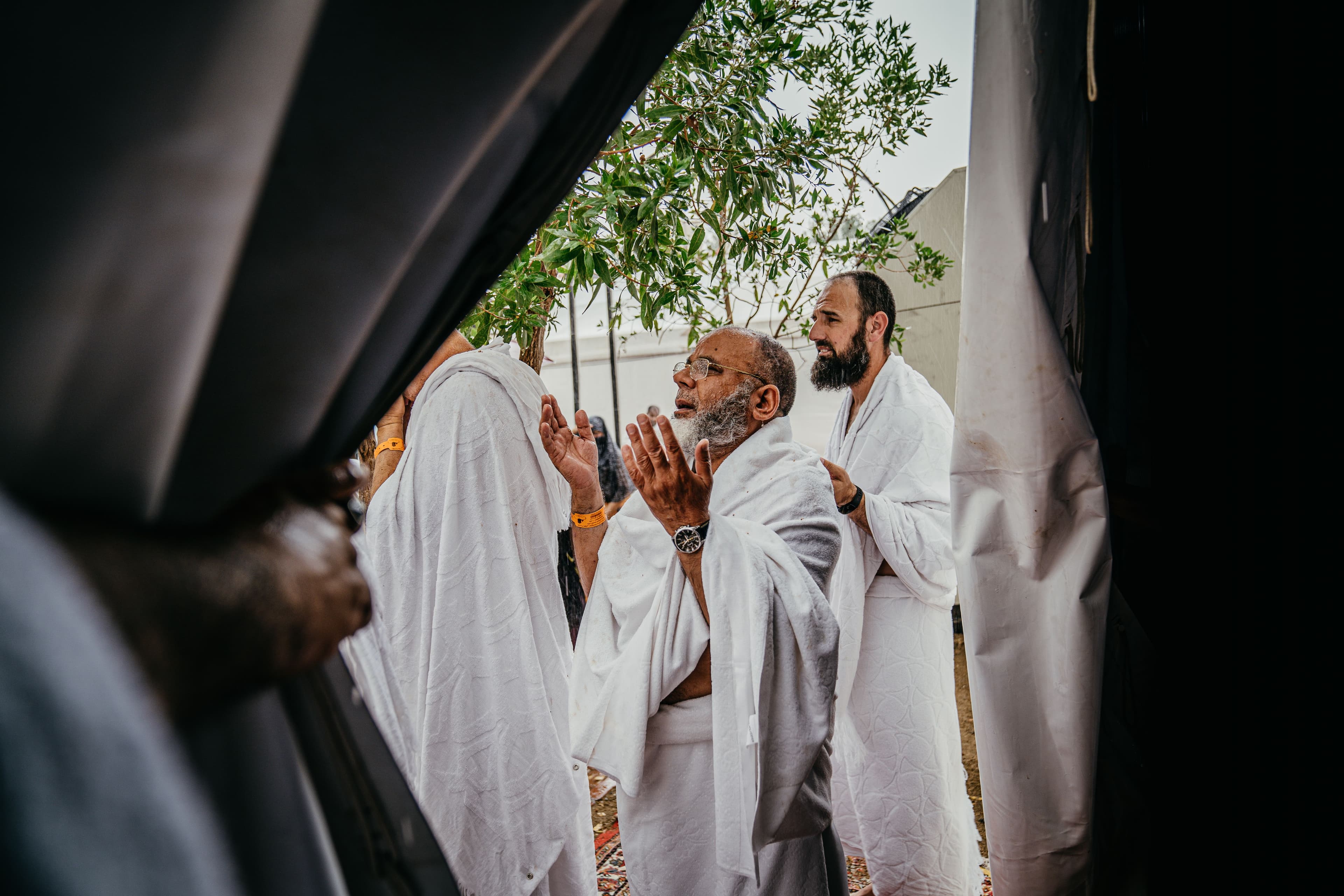
It is a well-established practice to make dua for a safe and accepted journey before leaving home, and to ask family members for their prayers. Some pilgrims also perform two rak'ahs of voluntary prayer before setting off, seeking Allah's protection and ease throughout the trip.
A Simple Pre-Departure Checklist for the Heart
- Renew your intention sincerely
- Make tawbah and seek forgiveness where needed
- Settle any outstanding debts or disputes
- Prepare your family for your absence
- Learn the rituals and key duas in advance
- Increase dhikr and Quran recitation in the weeks before travel
- Prepare mentally for patience during crowded or tiring moments
- Make dua for an accepted and safe journey
Frequently Asked Questions
What is the correct way to perform Umrah—are rituals alone sufficient, or is Niyyah (intention) also essential? The correct way to perform Umrah combines both — the outward steps (Ihram, Tawaf, Sa'i, Halq/Taqsir) and a sincere inward intention. Neither replaces the other; the rituals covered in our Complete Umrah Guide should be paired with the spiritual preparation described here.
How long before travel should I start preparing spiritually? There's no fixed rule, but many pilgrims find that starting a few weeks before departure — increasing dhikr, settling disputes, and learning the rituals — gives them a calmer, more focused mindset than trying to prepare in the final days.
Is it necessary to memorise long duas before Umrah? No. Short, sincere duas in your own words are valid and encouraged. Learning the Talbiyah and a few key duas in transliteration is helpful, but heartfelt supplication matters more than memorised length.