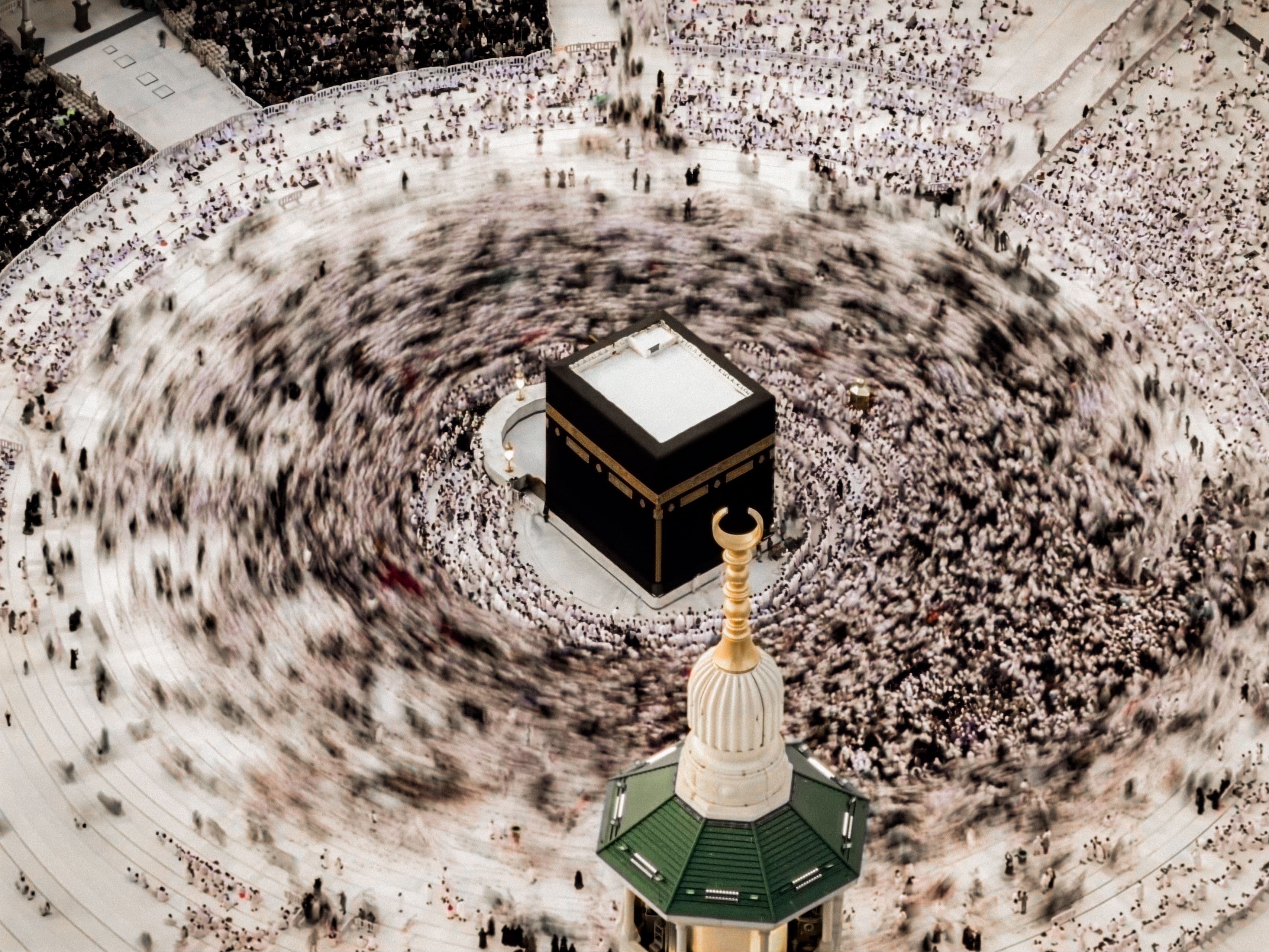
Hajj is the fifth pillar of Islam and an obligation, at least once in a lifetime, for every Muslim who is physically and financially able to undertake it. Unlike Umrah, which can be performed at any time of the year, Hajj takes place during a fixed period in the Islamic month of Dhul Hijjah, and involves a more extensive set of rituals spread across several days and several locations around Makkah.
This guide covers what every prospective pilgrim should understand before undertaking Hajj — from the type of Hajj you intend to perform, to the day-by-day rituals, to practical planning considerations including hotel choice.
Types of Hajj
Before entering the state of Ihram, pilgrims choose one of three forms of Hajj, based on whether they intend to combine it with Umrah:
Hajj al-Tamattu The most commonly performed type among pilgrims travelling from Pakistan. The pilgrim performs Umrah first, exits Ihram, and later enters Ihram again for Hajj alone, on or before the 8th of Dhul Hijjah.
Hajj al-Qiran The pilgrim combines the intention for both Umrah and Hajj from the outset and remains in the state of Ihram throughout, without exiting it between the two.
Hajj al-Ifrad The pilgrim intends Hajj only, without performing Umrah in the same trip.
Your travel agent or religious guide can help you understand which type applies to your specific circumstances, as the choice affects the rituals performed and, in some cases, whether a sacrificial offering (Hady) is required.
Hajj Visa & Quota System
Access to perform Hajj from Pakistan is managed through a quota system, generally split between two routes:
- Government Hajj Scheme — coordinated through the Ministry of Religious Affairs, typically more affordable but with limited availability and a formal application/balloting process
- Private Hajj Operators — licensed tour operators offering a range of packages, generally with more flexibility on accommodation standard, hotel distance and group size, at a higher cost
Applications for both routes usually open several months before the Hajj season, and quotas are limited each year, so early registration with a licensed operator is strongly advised. Confirm the operator's official licensing status with the relevant authorities before making any payment.
Hajj Duration & Key Dates
Hajj rituals take place primarily between the 8th and 13th of Dhul Hijjah, though most travel packages extend well beyond this — often 25 to 40 days — to include time in Madinah and rest periods around the core ritual days.
Choosing Hotels for Hajj
Unlike Umrah, Hajj involves staying in tents in Mina and Arafat for several days in addition to hotel stays in Makkah and Madinah. When comparing Hajj packages, ask specifically about tent category and location in Mina (proximity to the Jamarat and to toilet/washing facilities matters a great deal during the crowded days of Tashreeq), as well as the exact distance of your Makkah and Madinah hotels from the Haramain, since this affects how much walking is required on already physically demanding days.
The Days of Hajj — Step by Step
8th Dhul Hijjah — Day of Tarwiyah
Pilgrims enter the state of Ihram (if not already in it) and travel to Mina, spending the day and night there in worship and preparation, offering the five daily prayers shortened but not combined.
9th Dhul Hijjah — Day of Arafat
Widely regarded as the most significant day of Hajj. Pilgrims travel from Mina to the plain of Arafat and spend the afternoon in prayer, dua and reflection until sunset — a period known as "standing" (Wuquf). After sunset, pilgrims move to Muzdalifah, where they spend the night under the open sky and collect pebbles for the following days' stoning ritual.
10th Dhul Hijjah — Eid al-Adha & Day of Sacrifice
Pilgrims return to Mina to perform Rami (stoning) at Jamarat al-Aqabah, followed by the sacrificial offering (Qurbani/Hady), and then Halq or Taqsir (shaving or trimming the hair), marking partial release from Ihram. Many pilgrims then travel to Makkah to perform Tawaf al-Ifadah, a core pillar of Hajj, followed by Sa'i (for those performing Tamattu or Ifrad without a prior Sa'i).
11th–12th Zul Hijjah — Days of Tashreeq
Pilgrims remain in Mina and perform Rami at all three Jamarat (small, middle, and large) each day. Pilgrims may choose to depart Mina on the 12th (an early departure known as Nafr Awwal) or remain through the 13th.
13th Dhul Hijjah (Optional)
Pilgrims who remain in Mina perform a final day of Rami before departing — known as Nafr Thani.
Tawaf al-Wada — Farewell Tawaf
Before finally leaving Makkah, pilgrims perform a farewell Tawaf as their last act of worship at the Kaaba before departure.
Health & Physical Preparation
Hajj is physically demanding, involving extended periods of walking, standing, and exposure to heat in Mina and Arafat. In addition to the standard Meningitis vaccination required for Umrah, pilgrims should:
- Begin building general fitness and walking stamina in the months before travel
- Consult a doctor regarding any chronic conditions, particularly given the physical intensity of the days in Mina and Arafat
- Stay hydrated consistently throughout the days of Hajj, not only when feeling thirsty
Estimated Budget Considerations
Hajj costs vary significantly depending on whether you travel through the government scheme or a private operator, and the standard of accommodation and tent category chosen. Government scheme packages are generally more cost-controlled, while private operators offer a wider range from economical to luxury, similar to the package tiers described in our Complete Umrah Guide.
Family & Elderly Considerations
Given the physical demands of the days spent in Mina and Arafat, elderly pilgrims and those with mobility concerns should discuss their needs with their tour operator well in advance. Special assistance and transport arrangements are often available for those who require them, but need to be planned for rather than arranged last minute.
Frequently Asked Questions
What is the difference between Hajj and Umrah packages? Hajj packages include several days of tent accommodation in Mina and Arafat during the fixed Hajj dates, along with the additional rituals of Arafat, Muzdalifah and Rami, whereas Umrah can be performed year-round with hotel-only accommodation throughout.
How do I apply for the government Hajj quota in Pakistan? Applications are coordinated through the Ministry of Religious Affairs, typically opening several months before the Hajj season with a balloting process due to limited quota availability. Check current application windows well in advance.
Does hotel distance from Haram matter as much for Hajj as for Umrah? Yes, arguably more, since pilgrims are often physically exhausted after days in Mina and Arafat. A hotel closer to the Haramain reduces the walking burden during an already demanding period.